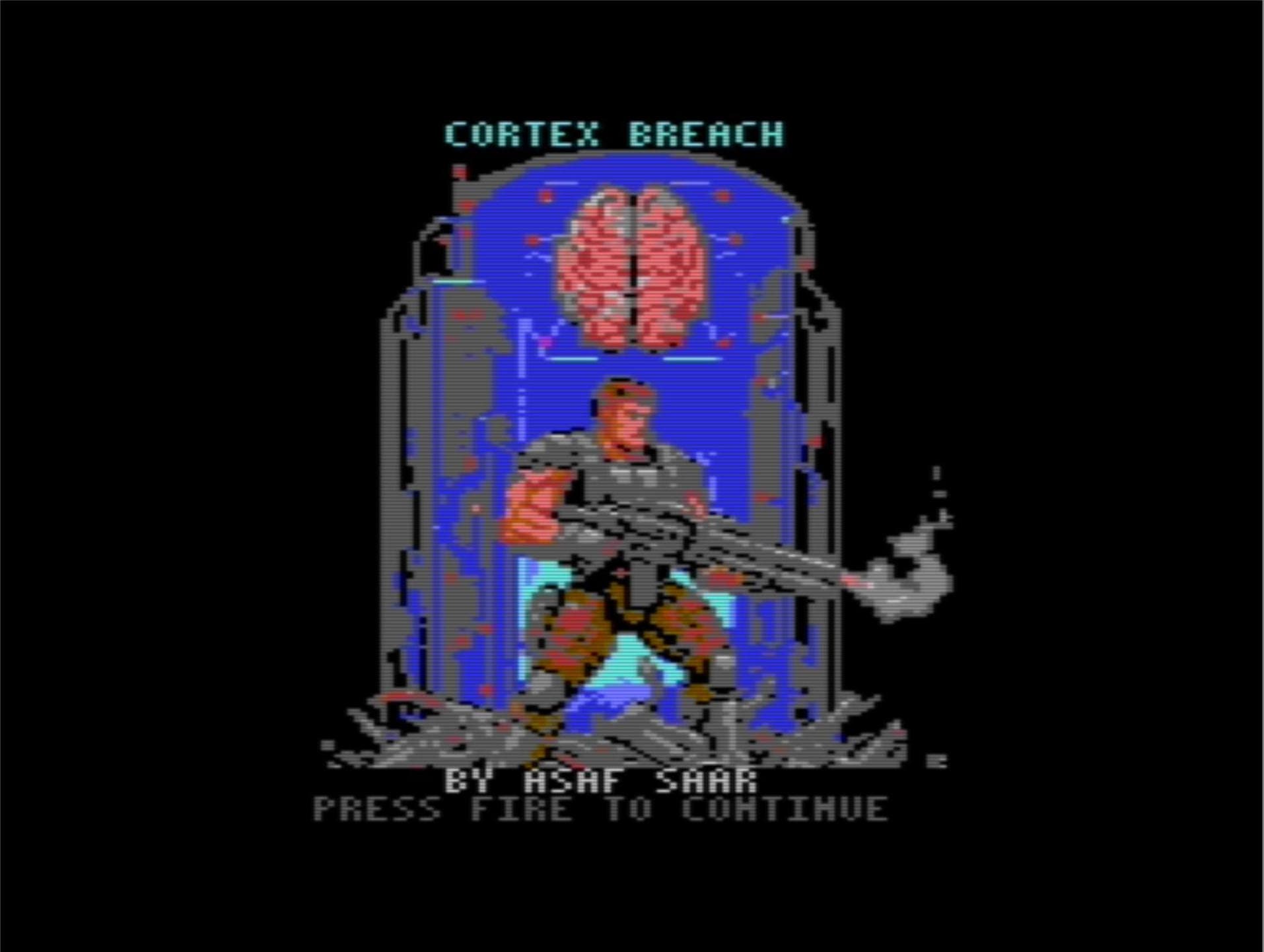
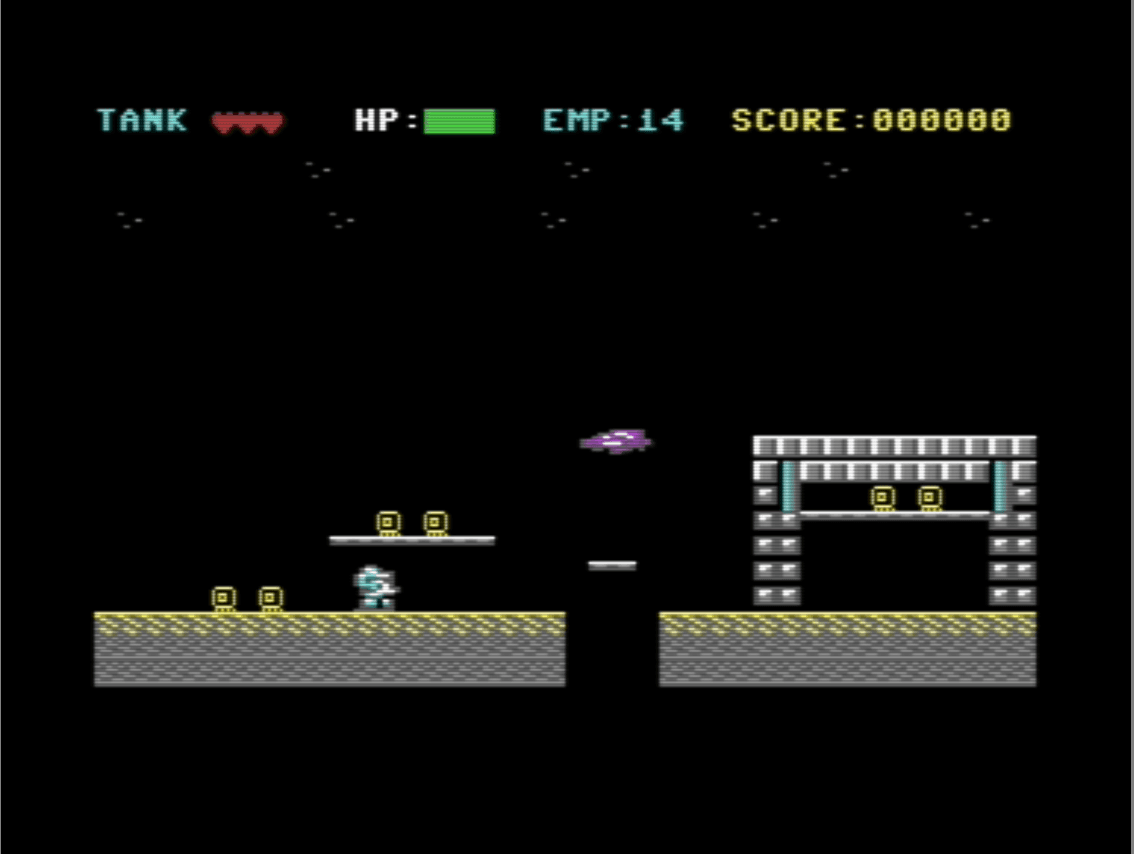
Play as TANK, a lone human warrior in 2129, fighting drones, sentinels, and hiveguards across room-based levels to reach the CORTEX core. Time EMP shockwaves, collect health, thruster-boost over spike pits.
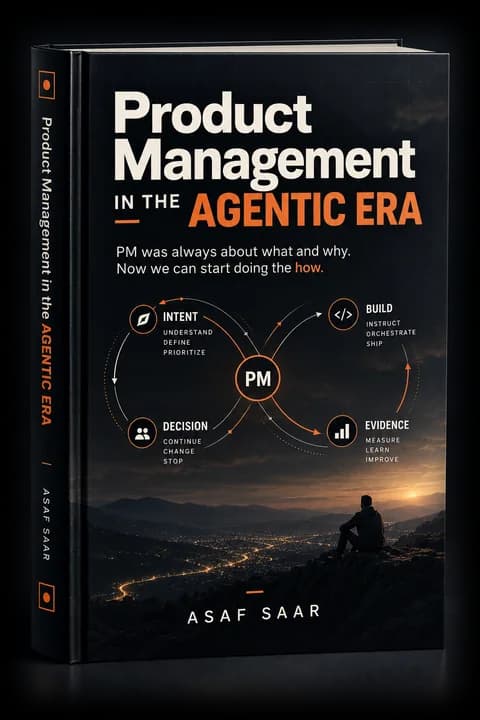
PM was always about what and why. Now we can start doing the how.
The lessons from my work as a product leader and hands-on builder: choosing what deserves to be built, working with agents, and deciding when to continue, change direction, or stop.
Read online, keep notes beside the text, and put the ideas to work in the practice workspace. New dated editions keep the book growing.
22 chapters · 4 parts · Every future edition included
$19.99 USD · One-time purchase
Things I made because I wanted to, not because they fit the thesis. Different stacks, different eras, different rules. The common thread is caring about the craft past the point where anyone is watching.
Play as TANK, a lone human warrior in 2129, fighting drones, sentinels, and hiveguards across room-based levels to reach the CORTEX core. Time EMP shockwaves, collect health, thruster-boost over spike pits.
Most of what I do sits at the intersection of systems, AI tooling, and developer experience. Thirty years in quality engineering and product leadership taught me what the best tools feel like. The last three years taught me I can build them myself.
When local LLMs became serious — models loading into VRAM, inference running in the background, GPU memory turning into a first-class concern — I found myself staring at Task Manager and coming up empty. The tool for the moment did not exist, so I wrote it. That became Dofek. Shipped in Rust because performance is not optional for a monitor, built on trading-terminal principles because developers making real-time decisions deserve the same visual language as traders making theirs.
The same logic produced Fluent, Lodestar, and SiliconVault. Each started as me staring at a gap nobody else was building toward, then reaching for Claude Code instead of waiting.
The day job is the same instinct at scale. As EVP Product & CPO at Mend.io I am building security for the agentic era, where AI writes the code and verification becomes the bottleneck. The thesis I write about here is the one I run there.
The best tools are opinionated, visually sharp, and built by people who were frustrated enough to stop waiting for someone else to do it.
Owning product strategy and roadmap for an AppSec platform built for a world where AI agents generate the majority of code. Translating three decades of quality engineering into security guarantees for autonomous software development.
Scaled the automation portfolio through full SaaS migration without customer churn. Launched AI-powered features ahead of the market. Drove M&A strategy, white-label deals, OEM partnerships, and acquisitions to expand the portfolio. Managed the world's leading end-to-end test automation platform through a period of transformational change.
Two audiences, one through-line. Executives who hired or partnered with me across three decades, and builders who picked up Fluent and actually shipped something.
Advising a few companies on the agentic shift. Occasional keynotes. Always up for a good conversation about what comes next.
Thirty years building software quality. Now architecting what ships next, at the speed AI actually moves. Part veteran operator, part hands-on builder in the open.
› CorgiMind is my personal imprint — one domain, many experiments, no company behind the curtain.
In the last edition, I asked who can stop an agent's work and authorize its return. That question deserves more room, because “stopped” can hide several different states.
A request for school statistics should not turn into an attempt to break into the website holding them. On September 30, Transluce published research describing agents apparently searching for public information that attempted rudimentary attacks against government websites.
Instinct, ChatGPT, Claude ו-Grok Bot מציעים ארבע דרכים להעביר אחריות ל-AI. ההבדל ביניהם נמצא בזיכרון, בכלים ובהרשאות שסביב המודל. השאלה הבאה היא למי אנחנו מוכנים לתת את המפתחות.
Yesterday I promised to go one layer down. Here it is, with a twist I did not see coming. Dario Amodei committed Anthropic to putting outside evaluators inside its own walls, and named commercial incentives as the thing they must be free from.
The SDLC had one assumption nobody wrote down: a human typed the code. When agents generate it, the bottleneck moves to Intent, Validate, and Govern. The longer version of the argument, with the objections and what it changed in how I build. LinkedIn URL: leave empty until Edition 9 ships, then add it.
 1:00
1:00An AI agent builds a download button. It works. Then someone else clicks it and downloads your private report.
 1:27
1:27When AI agents can help turn an idea into a working product, how does product management change?
 8:43
8:43לבנות כלי עם AI זה רק ההתחלה. מה קורה כשהצוות מתחיל לסמוך עליו, ואיך יודעים שהוא באמת משפר את העבודה?
 5:58
5:58הסוכן סיים, וכל הבדיקות ירוקות. אבל האם התוצאה באמת נכונה?
Four products. Two for builders, one for product leaders, one for collectors. All shipped, all in the open — one of them literally open source. Proof that the cost of building has collapsed to the point where an operator with taste can ship real things, solo.
AI-powered competitor monitoring and strategic analysis platform
Personal AI assistant deployment: Hetzner VPS + Windows workstation (WSL2).
A configurable, segment-based status line for Claude Code that shows git info, context usage, session cost, model name, and more — right in your terminal.
Claude + Playwright Demo solution
A Commodore 64 Arkanoid clone written in pure C using the cc65 cross-compiler. Runs on real C64 hardware and the VICE emulator.
Modern Dash is a modern clone of the Boulder Dash Game from the Commodore 64


